- Best months
- April, May, June and September
- Getting there
- Any valley road off US-61 or Highway 35
- Bring
- Waders, a light rod and insect repellent
The land the glaciers missed
Look at a map of the Upper Midwest and most of it is flat or gently rolling, scraped and smoothed by the great ice sheets. The last of those glaciers flowed around one region and left it alone: the Driftless Area, which covers southwest Wisconsin, southeast Minnesota and corners of Iowa and Illinois. The name comes from drift, the gravel, sand and clay that glaciers leave behind. Here there is little of it.
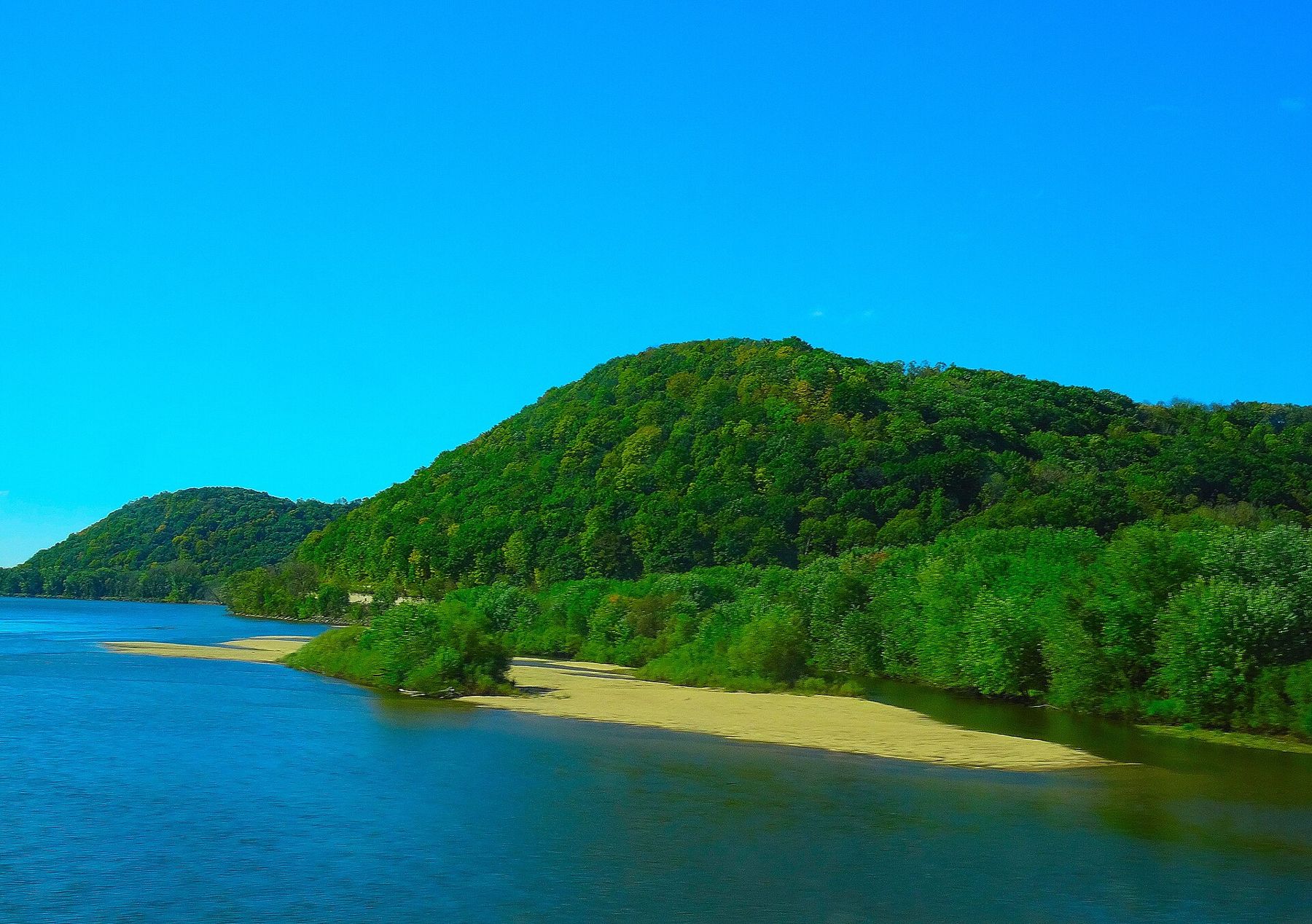
Without that blanket, the land shows its bones. Rivers have cut deep into layers of limestone and sandstone, leaving steep bluffs, narrow valleys and high flat ridges between them. The Mississippi bluffs between Red Wing and La Crosse are the edge of this country. The real Driftless begins when you leave the big river and drive up any side valley.
The change happens fast. Turn off US-61 or Highway 35 onto a county road and within a mile the river is gone, the road is climbing beside a creek, and the valley narrows to a strip of pasture between wooded slopes. Farmhouses sit low by the water, barns stand against the hill, and the ridge tops above are broad and open, planted in corn and hay. It is a small, folded landscape, and it hides more water than you would guess.
Spring creeks and coulees
Rain and snowmelt soak into the limestone uplands, travel through cracks and channels in the rock, and come out as springs at the foot of the bluffs. The water that emerges is cold, clear and steady in temperature through the year: cool in August, and open and steaming on a January morning. Streams fed by these springs are what trout need.
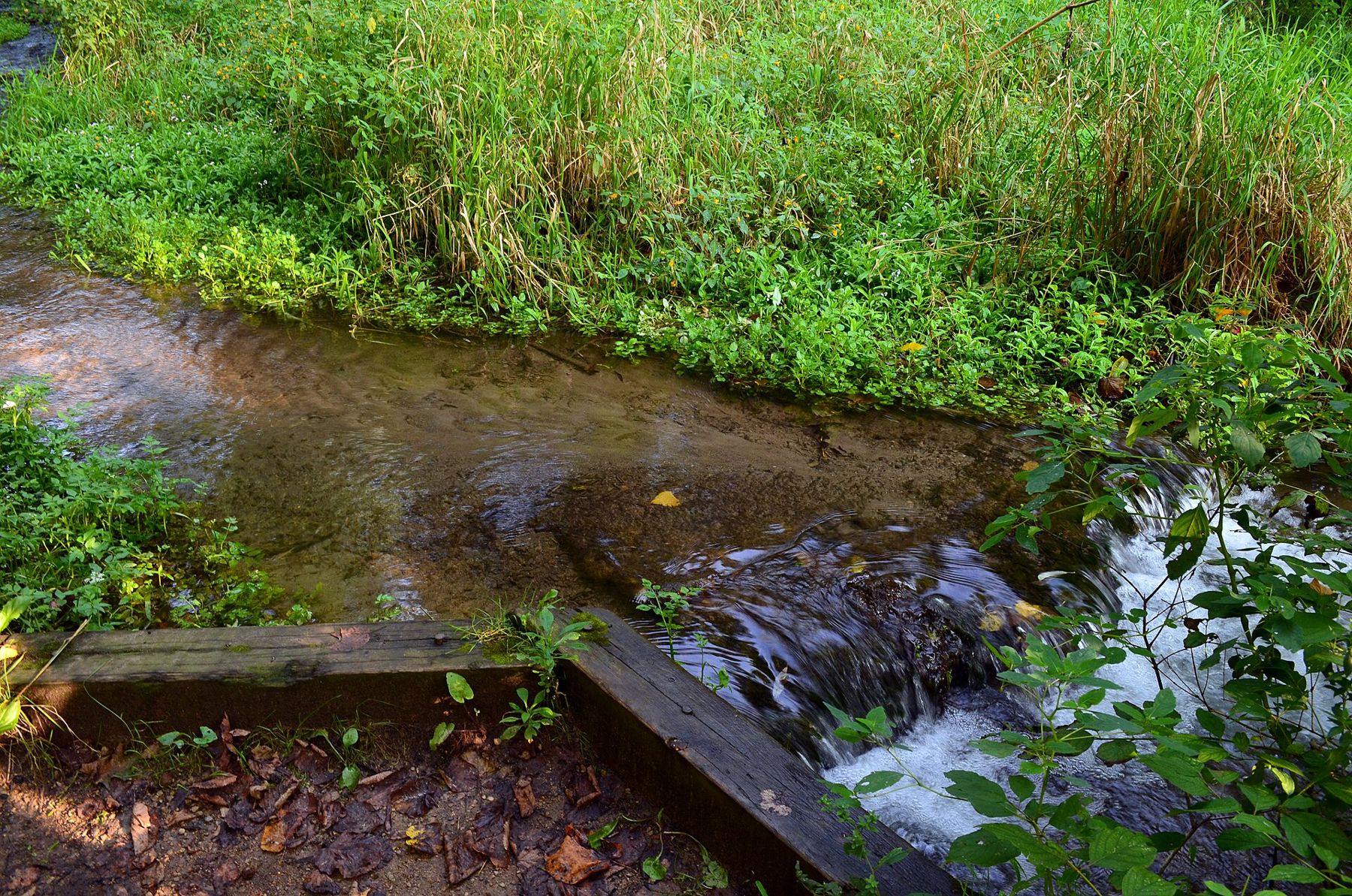
On the Wisconsin side, the steep side valleys are called coulees, a word taken from French. Driving up one, you follow a narrow road beside a creek, past dairy farms on the valley floor, with wooded slopes rising on either side. Many of those creeks hold trout. On the Minnesota side, the same pattern repeats in the valleys of the Whitewater, the Root and dozens of smaller streams with names like Garvin Brook and Beaver Creek.
A Driftless trout stream is often small enough to step across. A Driftless trout stream is often small enough to step across. Do not let that fool you. These narrow creeks can hold a lot of fish, and the clear water means they see you coming long before you see them.
Move slowly, keep low against the bank, and fish upstream so that your shadow and your mud stay behind you. Short, accurate casts matter more than long ones. Many anglers here fish small flies, nymphs or light spinners, and on the smallest creeks a short rod is easier to handle under the branches.
Brook, brown and rainbow
Brook trout are the native fish here, colourful, small and found in the coldest headwaters. Brown trout, brought over from Europe in the nineteenth century, now dominate many streams and grow larger and warier. Rainbow trout are stocked in some waters. A good day might bring all three.
The streams were not always this healthy. In the decades after settlement, cleared hillsides and ploughed slopes sent soil pouring into the valleys, and floods buried the creeks in silt. In the 1930s the Coon Creek watershed near Coon Valley, Wisconsin, became one of the country's first large soil conservation projects, and farmers across the region took up contour strips, terraces and grassed waterways. Decades of work on stream banks since then have brought trout back to waters that had lost them.
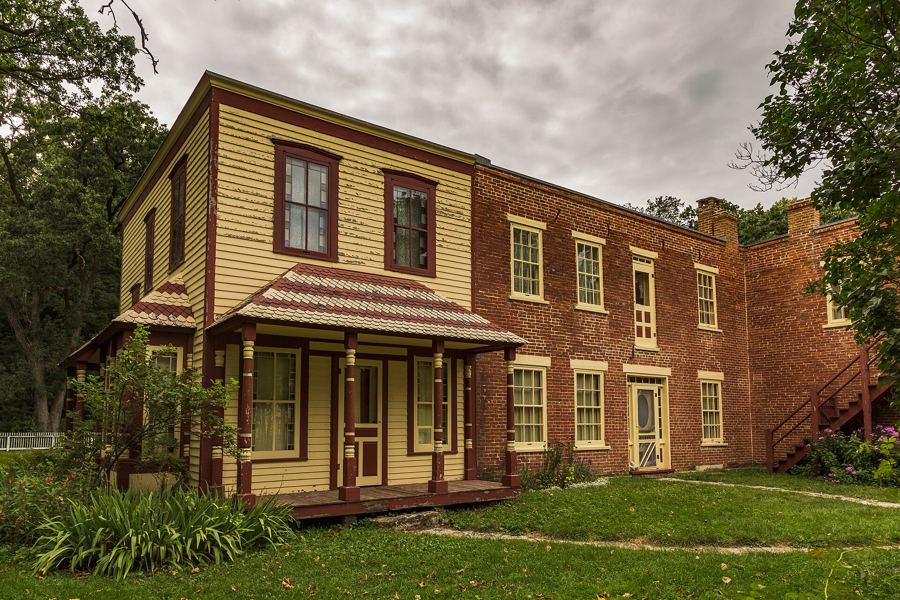 Further along the riverMystery Cave and the old town of Forestville
Licences, seasons and access
The Mississippi is the state line, and each bank has its own rules. To fish for trout you need a fishing licence from the state you are in and, in both states, a trout stamp as well. Visitors from other states pay more than residents. Seasons, size limits, bag limits and gear rules vary by stream and by stretch, and some waters are catch-and-release only or restricted to artificial lures. The rules change from year to year, so read the current regulations for each state before you go.
Much of the land along the streams is private. Both states buy angling easements from landowners, which let the public walk along the stream banks, and signs mark them. Stay within the easement, close gates behind you, and leave crops and livestock alone. Where there is no easement, ask permission first.
Fishing near Whitewater State Park or in the valleys around Lanesboro is a good place to start on the Minnesota side. In Wisconsin, the Rush River runs down to Lake Pepin near Maiden Rock, and the coulees behind Fountain City hold their own small streams.
Releasing fish well
Many anglers here keep few fish or none, and good handling makes a difference. Use barbless hooks or pinch the barbs down. Play fish quickly rather than to exhaustion. Wet your hands before touching a trout, keep it in the water as much as you can, and support it gently until it swims away on its own. In warm weather, fish early in the day, when the water is coolest.
Spring, from the opening of the season into June, is the favourite time for many, with insect hatches on the water and the meadows still short enough to walk through easily. Midsummer brings tall grass, heat and evening fishing. September and early October are quieter, cooler and very beautiful, with the slopes starting to turn. Some streams also have early or late catch-and-release seasons in the colder months; check what is open before you go.
Along the banks
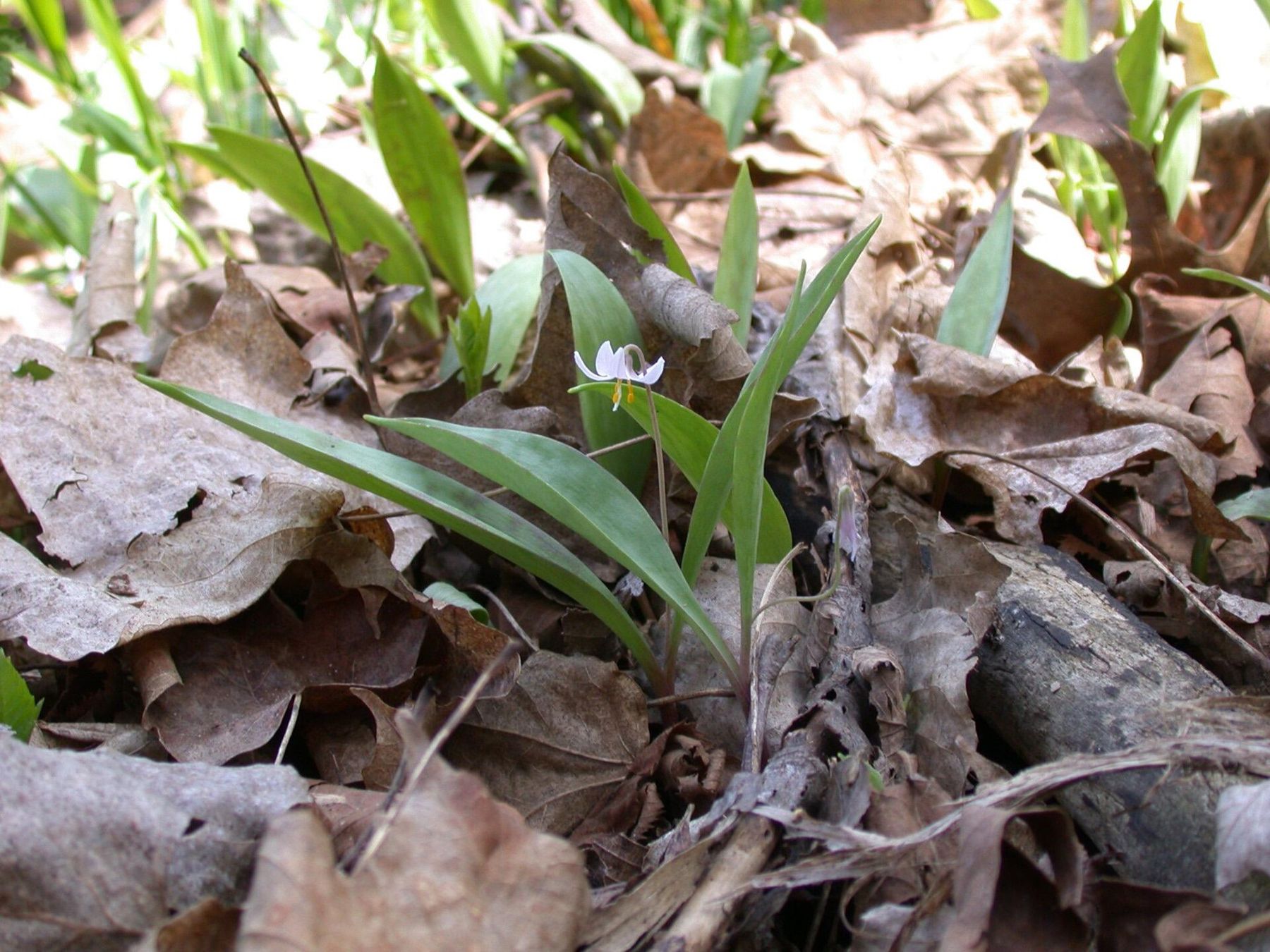
A trout stream is a good place to learn the other life of the valleys. In April, spring wildflowers bloom on the wooded slopes before the leaves come out, among them trout lilies, named for their mottled leaves; Minnesota even has its own dwarf trout lily, which grows wild in only a few southern counties and nowhere else in the world. In summer, the meadows fill with tall grass and flowers.
That grass hides a few hazards. Wild parsnip, with yellow flower heads like flat umbrellas, grows along many stream banks, and its sap can cause painful burns on skin in sunlight; wear long sleeves and trousers. Stinging nettle is everywhere. Check for ticks after every outing, and again that evening. And keep an eye on the sky: summer storms build quickly, and a small creek can rise fast after heavy rain. Head for the car at the first thunder; a graphite rod in an open meadow is no place to be.
Whose pictures these are
- Corey CoyleCC BY 3.0
- USFWSmidwestPublic domain
- U.S. Fish and Wildlife Service - Midwest RegionPublic domain