- Best months
- June, September and October
- Getting there
- Highway 35, or the Wabasha–Nelson bridge
- Bring
- A picnic, binoculars and the first Little House book
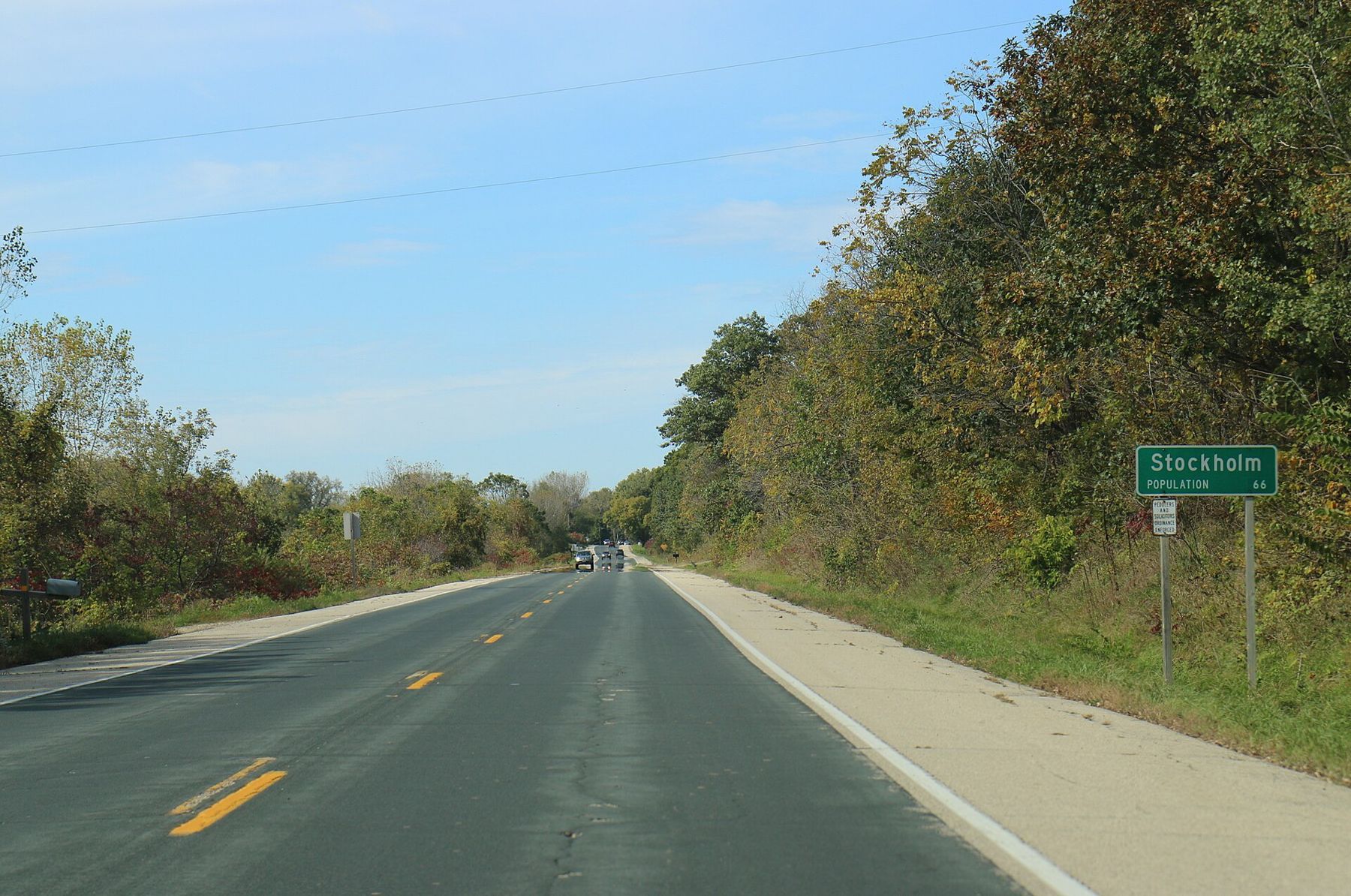
The middle of Lake Pepin's Wisconsin shore belongs to two villages a few miles apart on Highway 35. Stockholm is tiny, a few streets on a slope above the water, with Swedish flags on porches and a population small enough to fit on a single road sign. Pepin, a little larger, sits near the lower end of the lake around a harbor full of masts. Behind both rises the bluff, and behind the bluff lies the rolling farm country where Laura Ingalls Wilder was born.
Across the water lies Minnesota. From the shore at Stockholm you look over to the wooded bluffs of Frontenac, and from Pepin to the long waterfront of Lake City, where water skiing was first tried in 1922. The lake between is more than two miles wide here, and on a still morning you can hear sounds carry across it.
Stockholm and its Swedish founding
Stockholm was founded in the 1850s by immigrants from Sweden, and it has kept the name, the flag colours and a certain quiet pride in that beginning. It is one of the smallest incorporated villages in Wisconsin, with fewer than a hundred people living there year round. You can walk the whole of it in twenty minutes and still have time to sit by the water.
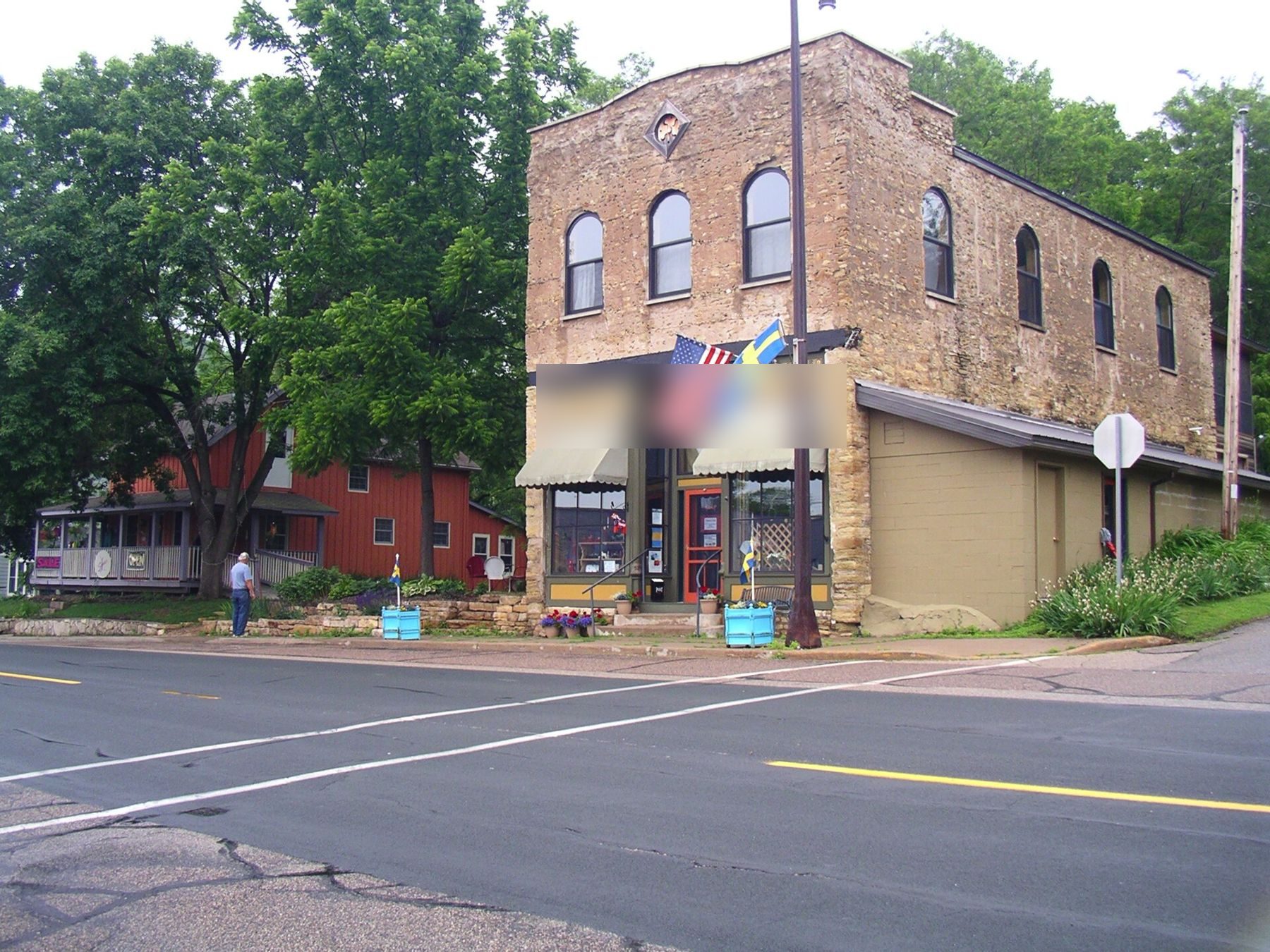
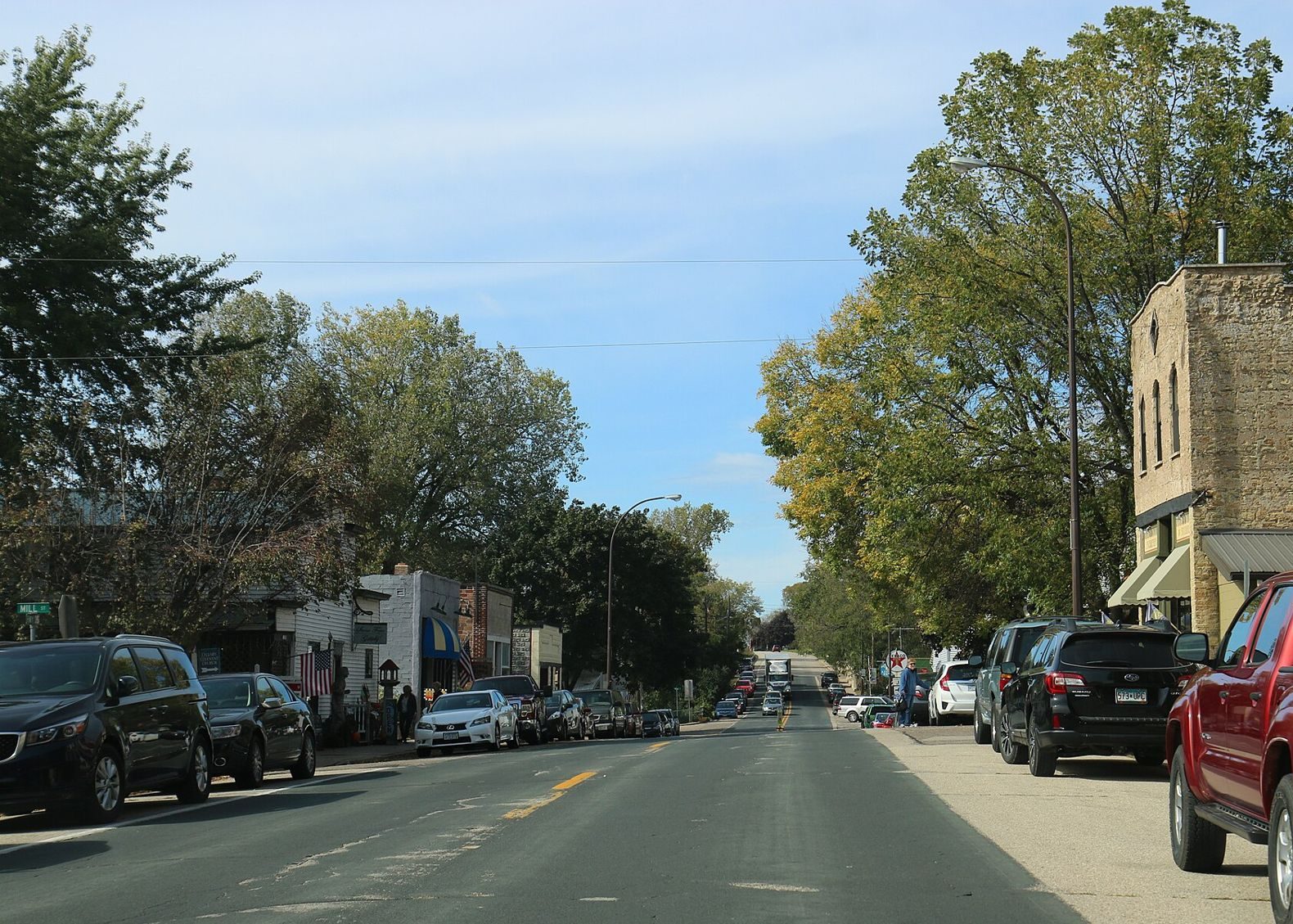
The village is laid out along the highway and a few streets that climb toward the bluff. Many of the buildings are old stone or wood-frame structures from the village's early decades, some now turned to new uses. A small village park runs down to the lake, with a landing and a stretch of shore where you can watch the water and the boats. Summer weekends can be busy; on a weekday in early June or late September you may have the shoreline nearly to yourself.
The appeal of Stockholm is its scale. There is no single sight to tick off. Instead, you park once, walk the streets slowly, look at the stonework and the gardens, and then go and sit by the lake. If you like small museums and local history, keep an eye out for the village's own history displays, which open seasonally.
Pepin and its harbor
Pepin sits near the foot of the lake, where the water begins to narrow again before the Chippewa River delta. The village grew as a river landing in the steamboat era, when boats carried settlers, lumber and farm goods up and down the Mississippi, and it still faces the water. Its harbor shelters sailboats and fishing boats, and the breakwater makes a good short walk for watching the lake.
From the shore you can see how Lake Pepin ends. Below the village, the Chippewa River pours in from the Wisconsin side and has built a wide delta of sand and bottomland forest. That delta is the reason the lake exists at all: it pinches the Mississippi and backs the water up for more than twenty miles. Downstream of it, the river breaks into islands and channels again on its way toward Nelson.
Pepin has a small main street, a few places to eat and the kind of lakeside park where families picnic on summer evenings. Hours for everything are seasonal, so check ahead if you are counting on a meal, especially outside the warm months.
The village is also a good base for watching the lake in different weather. Sit on the shore on a windy afternoon and you will see sailboats heeling hard as they come in past the breakwater; come back on a calm evening and the water lies flat enough to reflect the Minnesota bluffs. Anglers fish from the shore and from small boats near the harbor mouth, and in winter the same water may hold a scatter of ice shelters, depending on the year.
Laura Ingalls Wilder's Big Woods
Laura Ingalls Wilder was born near Pepin in 1867, in a log cabin in the wooded hills north of the village. Her first book, Little House in the Big Woods, describes the family's life there: the cabin, the smokehouse, the long winters, Pa's fiddle and the trip to town at Pepin. Readers have been coming to look for those woods ever since.
 Further along the riverWhen Lake Pepin freezes
The Little House Wayside, on a county road a few miles north of the village, marks the birthplace site with a replica log cabin set in a clearing. It is a simple place: the cabin, a few signs, picnic tables and fields running to the treeline. The original big woods are long gone, cleared for farms, but the rolling land and the quiet give you a sense of how isolated the family must have been.
The original big woods are long gone, cleared for farms, but the rolling land and the quiet give you a sense of how isolated the family must have been.
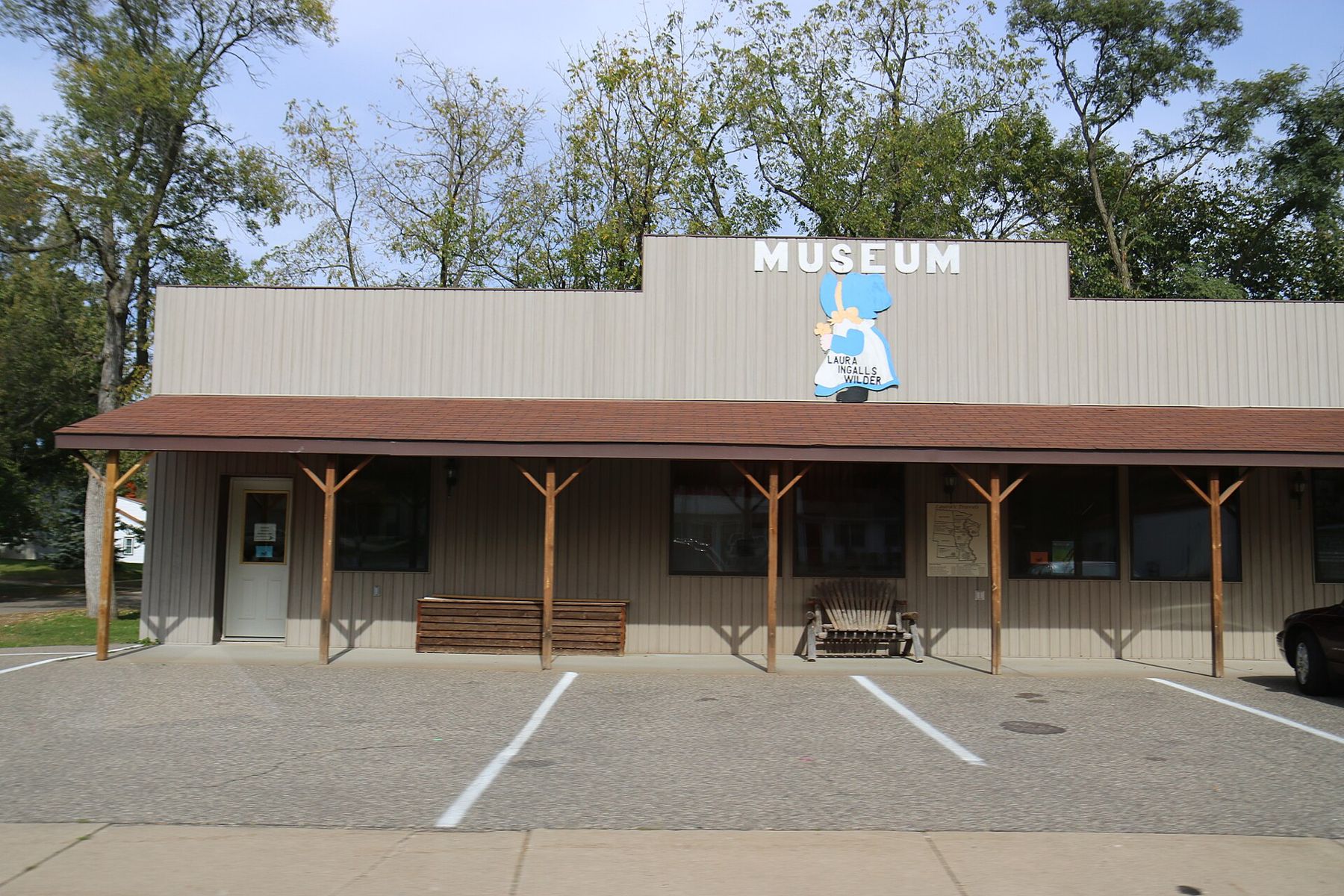
In Pepin itself, a small museum devoted to Wilder and to local history holds displays about the family and the village in the 1860s. It keeps seasonal hours, so check before you plan a visit around it. Together, the museum and the wayside make an easy half-day for anyone who grew up on the books, and a gentle introduction for anyone who did not.
Views of the lake
The best views on this stretch come from the road itself and from the small parks at each village. Driving Highway 35 between Stockholm and Pepin, the road rises and falls along the bluff foot, and every crest opens a new look down the lake. Use the marked pull-offs and parks rather than stopping on the shoulder; the road is narrow and busy on autumn weekends.
Watch the light. Mornings are often calm, with mist lying on the water and the Minnesota bluffs grey across the lake. By afternoon the wind usually rises and the surface goes to whitecaps, which is when the sailors come out. In late October the slopes on both sides turn bronze and red, and the whole valley looks warmer than it feels.
Lake Pepin can turn rough quickly. Storms build over Minnesota and cross the lake fast, and the long fetch lets waves grow higher than most visitors expect on a river. If you are paddling or boating, stay close to shore, keep an eye on the western sky and head in early.
Crossing to Minnesota
There is no bridge on Lake Pepin. To reach the Minnesota shore from Stockholm or Pepin, drive south on Highway 35 to Nelson and cross the Wabasha–Nelson bridge, or north to Hager City and cross into Red Wing. The southern route is shorter from Pepin; from Stockholm the two are closer to even.
Once across, US-61 runs up the Minnesota shore through Lake City and past Frontenac, so a loop around the whole lake makes a good day. Go one way in the morning and the other in the afternoon and you get the low sun on each shore in turn. North of Stockholm, the next village up the Wisconsin side is Maiden Rock, under its bluff.
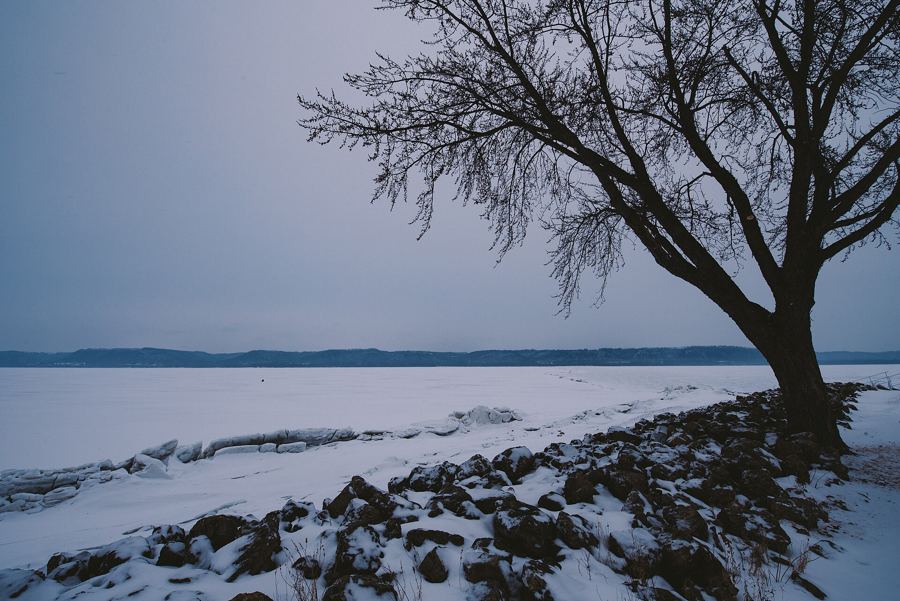
Winter changes the picture. When the lake freezes, the far shore can feel very close, but ice on Lake Pepin varies with current and springs and is never uniform. Follow official advice and local guidance, and never cross the lake on foot or by vehicle on the strength of tracks left by others.
Whose pictures these are
- RoyalbroilCC BY-SA 4.0
- Angelika LindnerCC BY-SA 3.0